What Happens If You Overfill a Dumpster?
What happens if you overfill a dumpster is simple and costly: the driver refuses pickup. Debris above the rim cannot be tarped or hauled safely, so the box stays until you remove the extra load.
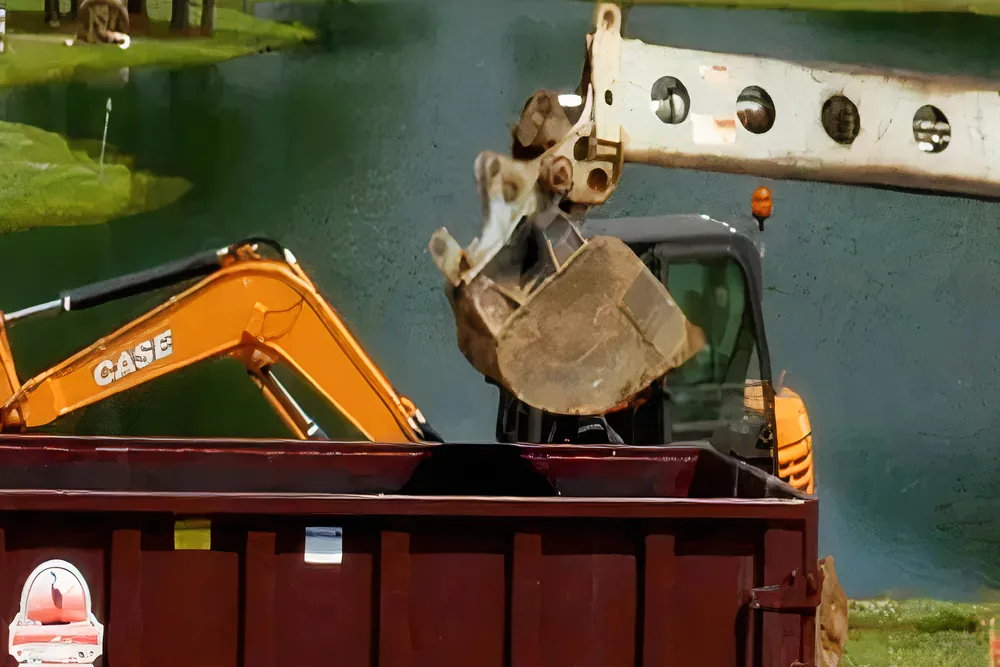
Quick answer
An overfilled dumpster is refused at pickup. The fill line sits about 6 inches below the rim. A second trip fee runs $50 to $150, and an overfill fee can run $100 or more. Load level, pick the right size, and call for a swap when the box fills early.
What happens if you overfill a dumpster?
The driver refuses pickup. That is the most common result. An overfilled box cannot be tarped. It cannot be hauled safely. The driver leaves it on your drive and you must remove the extra debris yourself.
The delay costs time. A job on a tight timeline stalls. A street box past its permit date can draw a fine. A second trip to remove the extra load adds a fee on top of the lost day.
The fill line rule in plain words
Fill the box level, about 6 inches below the rim. That is the fill line. Debris must not stick up past the top edge. Nothing may hang over the sides. The load must sit flat enough for a tarp to cover it.
The rule is about safety, not fussiness. Loose debris above the rail can fall off the truck. It can hit a car behind. It can rip the tarp in transit. Road safety rules forbid an uncovered, heaped load. The driver follows those rules.
Weight matters too. A box can be overweight even when the load sits below the rim. Heavy debris can break the weight limit while the box looks half full. Our weight limits guide covers that trap.
Refused pickup and extra fees
| Result | Typical cost | When it happens |
|---|---|---|
| Refused pickup | No fee yet, but lost time | Load above the rim |
| Second trip fee | $50 to $150 | Driver returns after you level the load |
| Overfill fee | $100 or more | Hauler charges for the extra load |
| Second haul | Full rental price | Extra debris needs its own box |
| Sorting fee | $100 to $500 or more | Banned items found in the heap |
Fees vary by hauler and contract. Some haulers charge a flat overfill fee. Some charge a second trip fee. Some charge both. Ask your hauler what the overfill charge is before you load. It is in the contract, but few renters read it until pickup day.
How to load without overfilling
Load heavy items first and flat. They sit low and form a base. Break down furniture. A sofa frame packs flat. An intact sofa eats a quarter of a 10 yard box. Fill gaps with small debris. Gaps waste space and invite heaping.
Step back often and look at the load. The top should stay level. If one corner rises, move material to a low corner. Stop when the load nears the rim. A box that looks three quarters full from the side is often full by weight or by volume.
Bag loose trash. Loose trash blows and shifts. Bagged trash stacks tight and stays put. Keep a tarp handy. Cover the box at night. A cover stops rain weight and stops neighbors from adding their trash.
What to do when the box fills early
Stop loading at once. Do not pile more on top. Call the hauler. Ask for a pickup or a swap. A swap brings a fresh box and hauls the full one away. A second box does the same job if the work will go on.
Compare the swap price with a second rental. The swap is often close to a new rental price. Either way, it costs less than an overfill fee plus a failed pickup plus a lost day. Book the swap a day before the box fills when you can.
If the job is nearly done, a small load can go to the landfill in a pickup truck. One truck load may clear the last debris. Do not overload the truck either. Landfill rules still apply to a pickup load.
Pick the right size and the problem goes away
Most overfills come from a box that was too small. A 10 yard box for a whole house cleanout will overfill. A 20 yard box for a kitchen remodel will not. Pick the size by the job, not by the lowest price.
Our size guide matches each job to a box. Use the estimator there. When you are between two sizes, size up. The price gap is small. The overfill fee is not. Our Colorado prices guide shows the market range for each size.
Overfill vs overweight: two different problems
Overfill and overweight are two different problems. Overfill means debris sits above the rim. The driver can see it from the street. Overweight means the load tops the included tons. The driver cannot see it until the scale.
A box can be overfilled but underweight. Light branches piled high will do it. A box can be overweight but not overfilled. A half full box of concrete will do it. Both problems stop a pickup, but for different reasons.
Fix overfill by leveling the load and removing the extra debris. Fix overweight by removing heavy material and splitting the load. Check both before you call for pickup. Look at the rim for overfill. Add up the heavy items for overweight.
Frequently asked questions
How full can I fill a dumpster?
Fill it level, about 6 inches below the rim. Debris must not stick up past the top edge. Nothing may hang over the sides.
Will the driver pick up an overfilled dumpster?
Most drivers will not. An overfilled box cannot be tarped or hauled safely. The driver leaves it until you remove the extra debris.
What is the overfill fee?
Fees vary by hauler. Some charge a flat overfill fee. Some charge a second trip fee of $50 to $150. Some charge for a second haul at full price. Ask your hauler before you load.
Can I pile debris on top if it is light?
No. Light or heavy, debris above the rim is a problem. Loose debris can fall off in transit. It can rip the tarp. It can break road safety rules.
What should I do if my dumpster is already full?
Stop loading. Call the hauler for a pickup or a swap. A second box or a swap costs less than an overfill fee plus a failed pickup.
Get a price and book
Know your size and your fill line? Book the right box and check the Colorado prices guide for the market range. We confirm your exact price before you pay anything.
Book a dumpster Try the size estimator See Colorado prices Call [PHONE]
More from Dumpster Rental Colorado
Last updated: November 13, 2026. Prices shown are published market ranges with sources cited. Our exact prices are confirmed at booking.